The Mold Of Perception
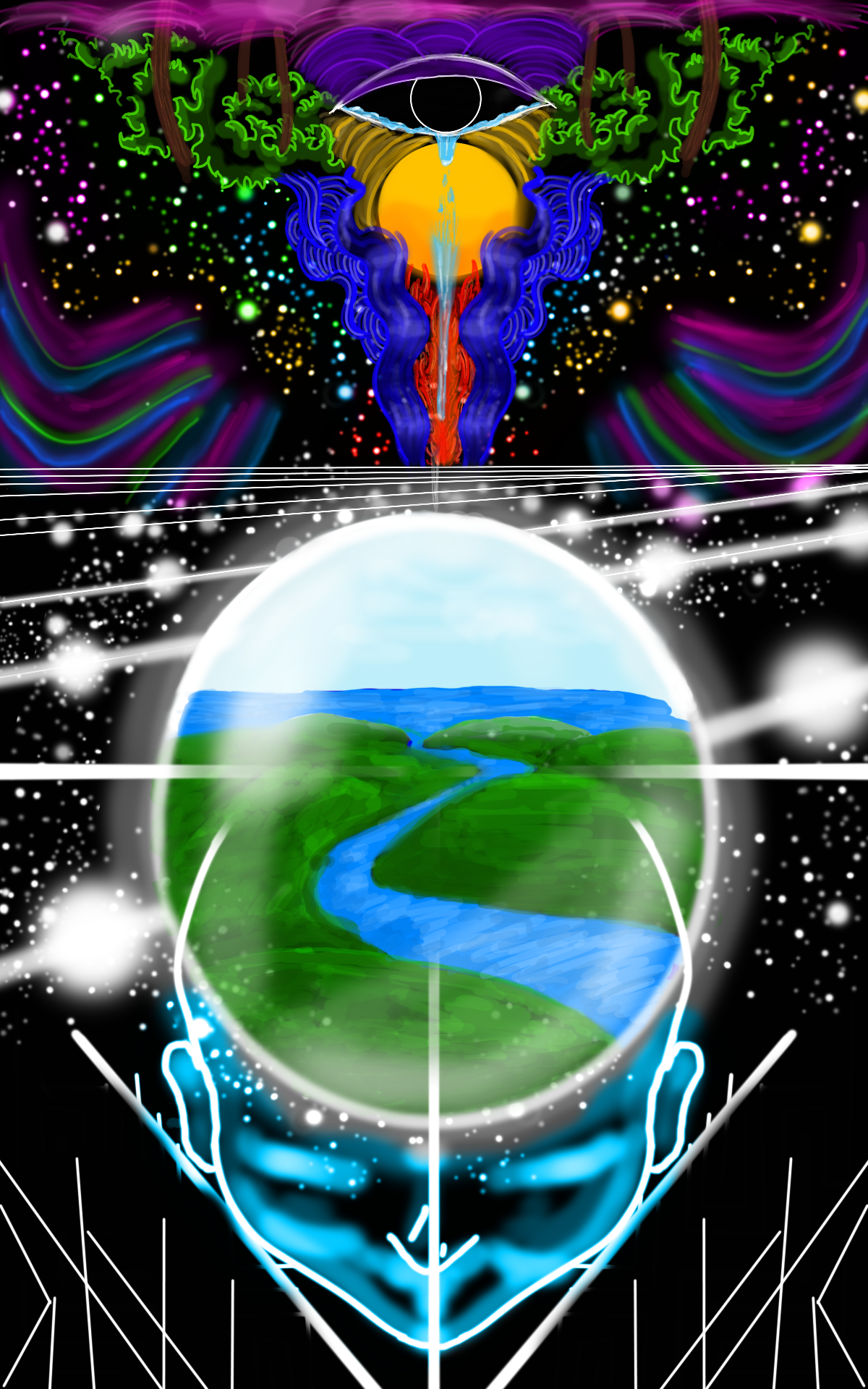
From the very first moment we begin life, we start without any idea of what is happening or how things turn out, and it continues this way. There is no one to explain things to us, no expert, no authority we can ask and learn from in life. In terms of discovery, learning, and extracting meaning, we are actually completely alone as a humanity. We are responsible for doing our best to build our lives and get the best results from them. In this direction, we observe our surroundings to extract meaning from life, and based on the system of “what we do and what we see in return,” we construct a “logic of how life works” in our minds.
This “logic of how life works” is a pattern we construct based on data coming from our environment and from within ourselves. We constantly receive information and data from our surroundings. About objects, about the relationships between objects. While this information can be physical interactions like gravity or the burning of fire, it also encompasses social interactions. In fact, we receive much more information from our environment than what we could classify as merely physical or social. We may not even be aware of what the information we acquire is or which category it belongs to. Perhaps the best name we could give to them is “wisdom.”
The logic of how life works is our own manual, our guiding tool, in the face of events in our environment. But it is not a flawless tool. It is actually a fragile system, open to constant renewal. Because life is much different and more complex than we perceive. There is more behind what we see. Therefore, we will often obtain unexpected results, and updating our logic with these results, and deciding what meaning to draw from them, remains up to us.
This logic of how life works that we construct also affects how we extract meaning from what we perceive in our surroundings. A person’s worldview determines how they will react to events, what they will do, and all their actions, including how people treat them. This is why the kind of life philosophy a person holds is important. There can be serious differences in the actions taken and reactions given between someone who advocates realism and someone who advocates solipsism.
This constructed logic of how life works, combined with the information we acquire in this way, our thoughts, and our emotions, forms a pattern. This pattern determines how we will take action, how we will think, and how we will perceive things. It is a pattern at the level of thought, an understanding. It is one of the reasons why people in different professional fields see different things. When a person looks at something, they see what they want to see or what they have trained themselves to see. That is the fundamental logic. The perception pattern affects not just us in the moment, but our entire lives. Because thought is a potential, and it manifests in every moment, in every action, and in every choice. The results we obtain years later may be a product of the pattern we established and continued in our youth. Take smoking, for example. When a person smokes, there is a reason why they do it, even though they know it harms them. Perhaps they have reached such a reflexive state at that moment that it isn’t even thought about when they smoke, but there is still a thought underlying the action. It could be suppressing distress, an inability to entertain oneself, or something else. This piece of thought expresses itself in action in this way and becomes physicalized. As it translates into action, it affects our body and mind. Years later, when you develop a disease due to smoking, can you say that it is not the result of your inability to handle your distress or entertain yourself?
As the saying goes, you reap what you sow. Our thoughts, and consequently the actions we take, form part of what we gain from life. Thoughts are timeless; they feed, grow, and spread across multiple times. We can say that something you do in an instant or a thought you adopt will lead to many actions within the flow of time. These actions, in turn, will bring many results over a broader timeframe. This process covers a person’s life. Therefore, we must pay attention to what we think and what we adopt. Because changing the future is in our hands in this way.